How to Buy a Car in an Auction


Why You Can Trust EverQuote
EverQuote powers millions of shopper requests every month, teaming up with industry-leading insurance specialists to address real-world challenges faced by people every day. We partner with the largest insurance providers in the nation, and our content is carefully crafted by experts and reviewed by licensed insurance agents for accuracy and relevance.
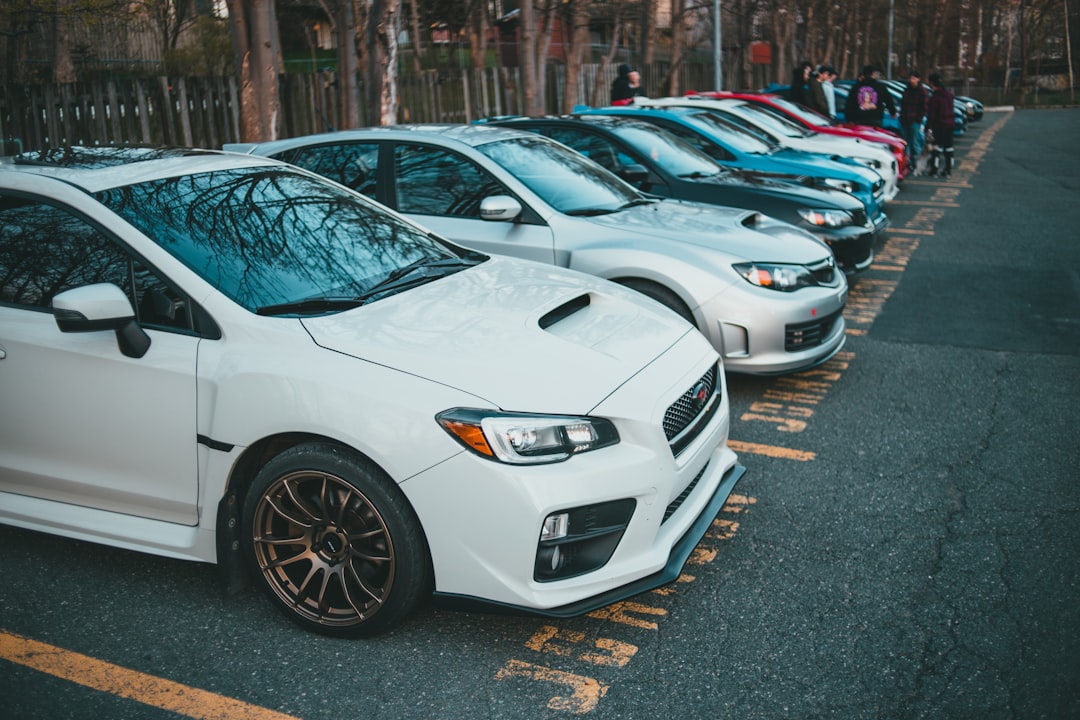
If you're in the market for a new car, you may be in for a surprise at the dealership. Average vehicle transaction prices ticked up to $49,077 in 2025. Compare that to 2019, when prices averaged $37,041.
For those not ready for a sizable loan, there is a unique option: auctions. Through an auction, you can bid on a new or used vehicle, which may be cheaper than what your local dealership offers.
Purchasing an auctioned car requires a bit of prep work. This guide explains how to buy cars at auction, including registration, vehicle research, and the bidding process.
How To Find and Register for Auctions
The best way to find a local auction is to search online. A quick "car auctions near me" query should pull up a list of upcoming auctions in your area.
Most auctions require advance registration. You can't show up unannounced and buy auction vehicles. To register, review the auction's listed requirements on its website. Most request a small deposit, which you can apply toward a vehicle purchase.
Auctions fit into three categories. If you're not a licensed car dealer, opt for public or online auctions.
Public
Public options are open to everybody. They may be held by local governments, police departments, or auction agencies. In a public auction, you'll find a mix of new, used, and salvage vehicles.
Dealer
Dealer auctions are only open to licensed car dealers, not the general public. They have a mix of new and used cars. Unsold vehicle inventory may end up in a dealer auction.
Online
Online auctions list available vehicles on a website. Access may be open to public registrants and licensed dealers.
Researching and Inspecting Vehicles Before Bidding
Vehicles end up at auctions in several ways. Some may sit unclaimed on a tow company's lot. Others are declared total losses and require salvage title insurance. And some are seized by police during criminal investigations, or taken by a lender during a car repossession.
Auctions may publish a list of vehicles in advance. That list can include vehicle identification numbers (VINs), pictures, and basic information about each car's condition. Use those details to research autos you're interested in.
One way to do this is through a vehicle history report. It notes a car's ownership and accident history, which can help inform your buying decision. For example, the vehicle history report can tell you if a car was used as a taxi or had an accident in its past.
Check the vehicle's worth with a reputable resource like Kelley Blue Book. Having an idea of its value can prevent overbids and give you an idea of what it may sell for at auction.
Online pictures can only tell you so much. Ground truth comes with an in-person inspection. If possible, ask a qualified mechanic to come with you to the auction. They can assess the car for hidden damage, such as a bent frame or axle misalignment. Their insights can help you avoid a lemon purchase.
Setting a Budget and Bidding Strategy
Before entering an auction, decide how much you're willing to pay for a vehicle. In the heat of the moment, it's easy to overspend. Know the vehicle's worth, and never exceed that amount.
Every vehicle starts with an initial bid. From there, prices go up in increments. Any bid you place must exceed the current bid by the set increment. For example, if the auction house has a $500 increment and the current bid is $5,000, you'd bid $5,500. Bidding continues until the auction closes, and the person with the highest bid "wins" the car.
Completing the Purchase and Arranging Transportation
After a successful bid on a vehicle, you'll pay the auction house. Most accept credit cards, debit cards, and cashier's checks. Online auctions may offer vehicle financing through approved lenders.
Vehicle bid prices don't include the buyer's premium. It's a percentage amount or flat fee paid to the auction house for the listing. They also don't include sales tax or registration fees. Check your state's vehicle sales tax rates and registration costs ahead of time, so you can factor those expenses into your budget.
If you can't drive the vehicle from the auction site, you must arrange for its shipping. Towing companies can handle local transport. However, if you're transporting the vehicle across state lines, consider hiring a professional car shipping company.
Tips for First-Time Auction Buyers
The auction house is a high-energy place, and it's easy to get caught up in the action. Keep yourself grounded with these quick tips.
1. Be A Spectator
Auctions occur frequently — sometimes weekly. Register for a local one to see what it's like, without any intent to buy a car at auction. A visit without any pressure gives you a taste of how it works.
2. Arrive Early
Give yourself adequate time to peruse the available cars before bidding starts. Use the time to inspect the vehicles you're interested in. While you can't take them on a test drive, you can look under the hood and inside.
3. Bring a Checklist
Make a list of items to assess before placing a bid. Good ones to start with include:
- Vehicle mileage
- Body damage
- Existence of rust
- Wheel condition
- Interior upholstery
- Frame damage
If you have a mechanic friend, bring them. If you don't, consider hiring one to come with you. Their know-how can help you buy from an auto auction with less risk.
4. Stay Calm
Try not to show your feelings, especially if you have a lot of bidding competition. You don't want someone else to sweep in and steal your bargain! Dial down the excitement and express interest in several cars, even if you're only planning to bid on one.
Compare Car Insurance Options After Purchase
EverQuote can help you find affordable car insurance on an auctioned vehicle. Get a free custom comparison from major providers with us today!
FAQs
What do I need to attend car auctions?
+
What are the disadvantages of buying a car from an auction?
+
Premiums are sourced from over 30,000 zip codes across 200 insurance companies. We estimate premiums based on public filings for policies seeking 50/100 in liability with $500 deductibles for collision and comprehensive coverage. Estimated rates are based on a 35-year-old single female with a good credit score and no history of accidents or violations driving a 2023 Toyota RAV4 LE. We partner with Quadrant Information Services to source our data and assume no unique benefits or discounts are applied for these rates (unless otherwise stated). Your own rates may be different.