Landlord Home Insurance: What It Covers, Costs & When You Need It


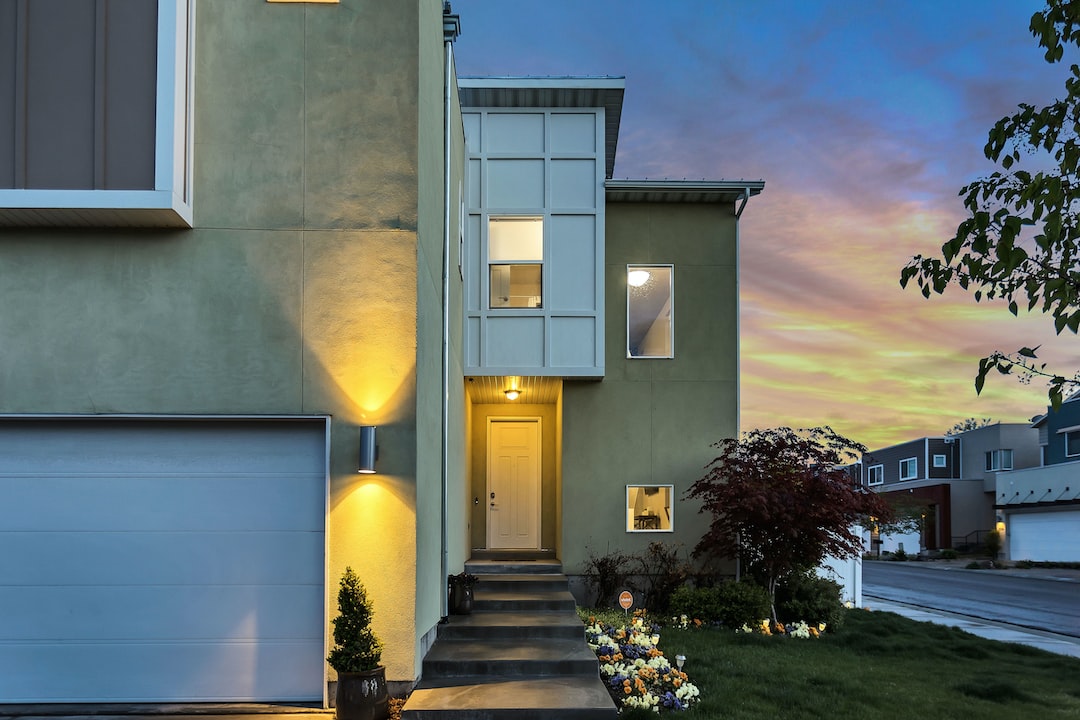
Being a landlord offers substantial financial benefits. It lets you build equity in a property using your tenant's monthly rents. But there's always the risk that bad weather or fire could damage the property and take your investment right along with it. That's where landlord home insurance comes in.
A landlord insurance policy safeguards your rental from damage caused by a covered event. It's essential for any landlord who plans to let their property out to a long-term tenant. This guide explores the landlord property insurance coverages, costs, and your responsibilities as the owner.
What Is Landlord Home Insurance?
Landlord insurance is similar to homeowners' insurance, but it differs in a few key ways. It's designed specifically for landlords who rent out their properties without living in them.
These policies provide three tiers of financial protection for a rental property. The first is property damage coverage. It reimburses you if the rental property is harmed by fire or some types of weather-related disasters.
Another component of landlord insurance is personal liability protection. If someone has an accident while living or visiting the home and decides to sue you, the policy kicks in to cover your legal expenses. It may also cover the hurt person's medical expenses.
Most landlord rental insurance policies also include loss of income coverage. This reimburses you for lost rent if the property becomes unlivable because of a covered cause. For example, if the building requires significant repairs after a fire, your policy would cover the rent until it's fixed.
When You Need Landlord Home Insurance
Anyone who plans to rent a home they own to other tenants needs landlord home insurance. For example, if you buy a second home and rent it out to someone else for a year, that calls for coverage. However, because you won't be living in the property, a regular homeowners' insurance policy won't protect you.
Inherited properties may also require landlord home insurance if the inheritor does not live in the home. If you choose to rent an inherited property to someone else, landlord insurance helps safeguard its value.
Properties used for short-term vacation rentals may call for landlord insurance. It depends on how frequently you let the property out and whether you still live in it. A property primarily used for Airbnbs or similar setups will likely require landlord insurance, but check with your insurer to verify.
Landlord vs. Homeowners Insurance
You want the right type of insurance to protect your property, whether you live in it yourself or rent it out to others. Here's a breakdown of what home insurance covers, so you can determine which policy you need.
| Landlord Insurance | Homeowner's Insurance | |
|---|---|---|
| Who Is Protected | Landlord | Occupant |
| Property Types Covered |
| Single-family home that you live in |
| Loss of Income Protection | Yes | No |
| Personal Property Exclusions | Yes — does not cover tenant belongings | Covers personal property up to the policy's limits |
Key Coverage Types
A landlord rental policy includes several coverage components. Each offers financial protection against the unexpected.
Dwelling Protection
Damage to the rental caused by fire, wind, hail, and lightning is covered by dwelling protection. Your policy will pay for property repairs up to the coverage limits.
Liability Coverage
A tenant or guest who injures themselves while at your rental property may decide to take legal action against you. Liability coverage pays your legal fees and may reimburse the hurt individual's medical costs.
Loss of Rental Income
If you can't let out the property because of a covered event, your policy will reimburse you for the expected rental income until the issue is corrected. This is critical for landlords who rely on rental income to cover their mortgage payments.
Landlord-Owned Property On-Site
Landlord house insurance offers limited protection for items kept at the property to service the rental. Examples include lawnmowers, snowblowers, and similar equipment. However, any personal property you keep at the rental, such as kitchen appliances or TVs, likely won't be covered.
Optional Add-Ons
Homeowners' insurance usually covers vandalism. But traditional landlord insurance policies don't. If you're concerned that vandals may destroy or harm your property, you can purchase it as an add-on. This may be a worthwhile investment if there's a chance the property may sit empty for short periods. Keep in mind that insurers may exclude your vandalism add-on if the property goes vacant for longer than 90 days.
Another available add-on is burglary coverage. It pays for door or window damage caused by burglars who attempt to break into the property. Some burglary add-ons may also reimburse you for damage to personal property. The coverage only applies to homes that are unoccupied for less than 90 days.
Most landlords opt to buy a legal fee coverage add-on. This pays for your legal expenses if you run into issues with your tenants. For example, if you need to evict a tenant, your coverage pays for legal expenses. It can also cover legal costs for general contractual disputes with third parties over property repairs.
Get a Customized Landlord Insurance Quote
EverQuote can help you find the coverage you need, from condo insurance to a landlord policy. Try our free service to get custom quotes on home insurance for your property or compare auto insurance quotes today.