How to Protect Your Car in Storage with the Right Insurance


Why You Can Trust EverQuote
EverQuote powers millions of shopper requests every month, teaming up with industry-leading insurance specialists to address real-world challenges faced by people every day. We partner with the largest insurance providers in the nation, and our content is carefully crafted by experts and reviewed by licensed insurance agents for accuracy and relevance.
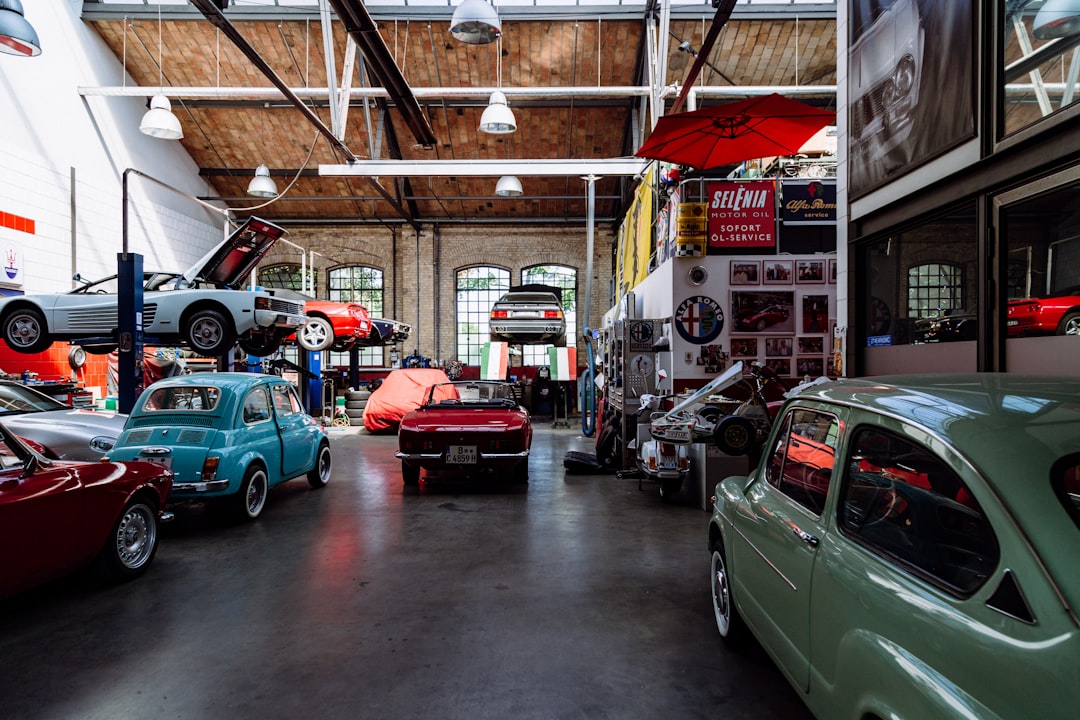
Your car isn’t only at risk out on the road. When it's in storage, accidents aren't a concern, but there’s still a chance that your vehicle could be damaged or stolen. You don’t want to be paying for any necessary repairs or replacements out of pocket, which is why protecting your stored vehicle is so important.
That’s what car storage insurance is for. Discover how car insurance for stored vehicles works, the types of coverage available, and tips for maintaining protection on your car.
What Car Storage Insurance Covers
Generally, car storage insurance protects you financially if something happens to your vehicle while it’s in storage. These adverse events may include:
Theft
If someone steals your vehicle from storage and you are unable to recover it, your car storage insurance should cover the cost of replacing it up to your coverage limits. While people usually think of car insurance for collisions, storage car insurance and theft coverage are important, too.
Vandalism
If someone vandalizes your vehicle when it's being stored, your car storage insurance can help pay for repairing the damage or replacing the vehicle, if necessary.
Weather Damage
If rain, sleet, natural disasters, or other weather events damage your vehicle while it is parked in storage, auto storage insurance helps pay for the necessary repairs or replacement. Buy storage car insurance and weather damage will not be a concern in many cases.
Non-Driving-Related Incidents
Your car insurance for stored vehicles may also cover damage from any other non-driving-related incidents, such as falling objects.
This type of coverage may sound familiar, and there’s a good reason for that: It’s basic comprehensive coverage. Comprehensive car insurance covers non-collision damages, even when your car is in storage. Collision coverage, by contrast, covers the cost of repairing or replacing your vehicle when it’s damaged in a crash.
The other main type of car insurance coverage is standard liability coverage, which most states require drivers to carry. Liability covers many of the other party’s expenses if they’re involved in an accident you cause. You can also purchase other types of optional car insurance, like gap insurance, for additional coverage.
When and Why to Consider Storage Insurance
Storage insurance makes sense when your car is going to be in storage for at least 30 days. Scenarios when you might need storage insurance include:
- Putting a seasonal vehicle away for a temporary storage period
- Having long-term periods of not using your vehicle
- Storing classic or collector cars
With financed vehicles, you may not be able to cancel your liability and collision insurance. Many lenders require you to maintain full coverage car insurance, both comprehensive and collision, until you pay off your vehicle. Check your lease or loan agreement for more details.
With classic cars, you may need a specific classic car insurance coverage. These insurance policies are based on an agreed-upon cash value rather than the actual cash value and often limit how many miles you can drive the vehicle.
No matter how long you’re storing your vehicle or what make or model it is, make sure your storage facility is secure. That’s the best way to prevent damage.
Maintaining Coverage and Avoiding Gaps
One of the benefits of storage insurance for a car is that it lets you avoid a lapse in car insurance without paying for full coverage. Keeping consistent coverage on your vehicle can help prevent penalties or higher insurance premiums in the future.
Before adjusting your insurance coverage, make sure you check DMV requirements and coordinate with insurers so everyone is on the same page. Confirm how long your car will be in storage.
Practical Tips for Preparing Your Car for Storage
Before you put your car in storage, take these steps to reduce the risk of damage:
- Fill the gas tank
- Inflate the tires
- Remove extra belongings
- Clean the interior and exterior
- Consider using a car cover
You should also perform periodic maintenance while the car is in storage so you can catch and mitigate any potential issues before they get worse.
Compare and Find the Right Storage Insurance Policy
The best way to find the vehicle storage insurance you need and keep your car insurance costs low is to compare rates. But don’t waste time requesting quotes from lots of different insurance providers. Instead, try EverQuote. With EverQuote, you can see a custom comparison of your car insurance options.
Get your free customized insurance quotes from EverQuote today.
FAQs
Is car storage insurance worth it?
+
How much does storage car insurance cost?
+
How to insure a car that is in storage?
+
Premiums are sourced from over 30,000 zip codes across 200 insurance companies. We estimate premiums based on public filings for policies seeking 50/100 in liability with $500 deductibles for collision and comprehensive coverage. Estimated rates are based on a 35-year-old single female with a good credit score and no history of accidents or violations driving a 2023 Toyota RAV4 LE. We partner with Quadrant Information Services to source our data and assume no unique benefits or discounts are applied for these rates (unless otherwise stated). Your own rates may be different.