


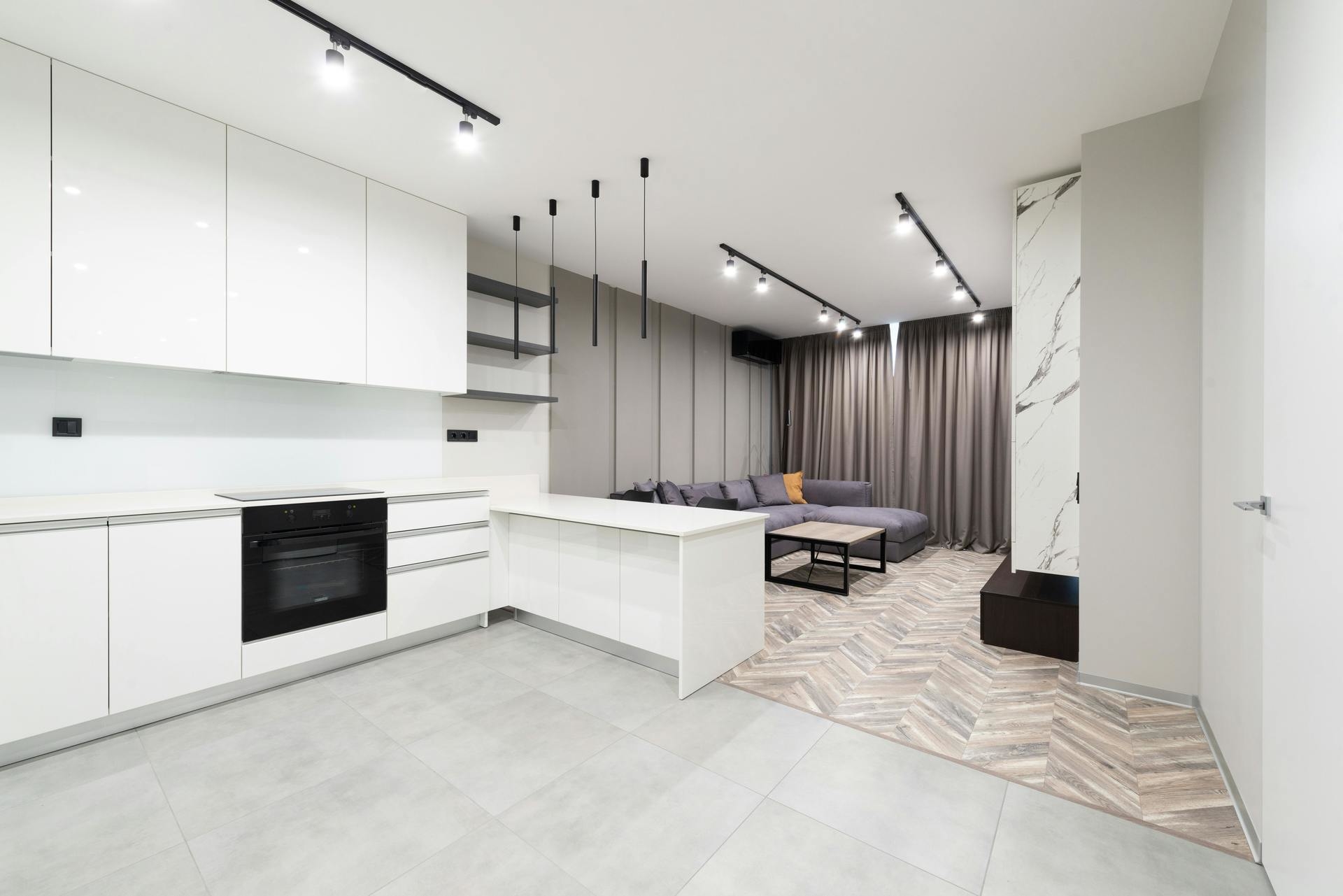
Owning a modular home is a big investment, and just like any house, it needs protection through an insurance policy. Modular home insurance helps cover the cost of repairing or rebuilding your home if disaster strikes while also protecting your belongings and financial security.
Below, we’ll explain what modular homes are, how they differ from mobile or manufactured homes, what coverage includes, factors that affect cost, and how to compare policies to find the best fit.
What Is a Modular Home and How Is It Different?
A modular home is built in sections at a factory, then transported and assembled on a permanent foundation. Unlike manufactured homes or mobile homes, modular homes must comply with the same local building codes as site-built houses, which makes them eligible for standard homeowner’s insurance.
Let’s look at what sets mobile and manufactured homes apart from each other and modular homes:
- Mobile homes: Homes built before June 15, 1976, often with wheels and vehicle identification numbers (VINs). These were regulated under older federal standards. Today, HUD sets the official safety rules for manufactured housing under the Manufactured Home Construction and Safety Standards Act. Homes built before this date are considered “mobile homes.” They usually require specialized mobile home insurance.
- Manufactured homes: These are effectively mobile homes built after 1976 and aligned with HUD’s Manufactured Housing Program. These homes follow national HUD standards, not local building codes. Even though they can be placed on land or piers, they typically need specialty insurance designed for manufactured homes.
Because modular homes are placed on permanent foundations and follow local codes, insurance companies treat them like traditional houses.
What Modular Home Insurance Typically Covers
Insurance for modular homes typically covers what homeowner’s insurance covers. Most modular home buyers will opt for an HO-3 insurance policy, and the typical protections include:
- Dwelling Coverage: Protects the home’s structure—roof, walls, foundation, and attached structures like porches or garages. For example, if a windstorm rips shingles off your modular home, dwelling coverage pays for repairs.
- Personal Property: Covers personal belongings such as furniture, clothing, and electronics if stolen or damaged in a covered event. If a fire damages your living room, personal property coverage would pay to replace your sofa and television.
- Liability Coverage: Pays legal and medical costs if someone is injured on your property or you accidentally cause property damage. For instance, if a guest trips on your deck and breaks an ankle, liability coverage helps with their medical bills and your legal defense.
- Other Structures: Covers detached buildings like sheds, fences, or standalone garages. If a storm damages your backyard shed, this part of your policy would cover the repairs.
- Loss of Use: Helps pay for hotels, meals, or rentals if your modular home is unlivable after a covered claim. For example, if a burst pipe causes major water damage, loss of use coverage pays for temporary living costs.
Optional add-ons available with homeowner's insurance for modular homes often include:
- Replacement cost coverage: Ensures your home and belongings are replaced at today’s prices, not their depreciated value.
- Flood insurance: Standard homeowner’s policies do not cover flooding. To protect against rising water, you need a separate policy through the National Flood Insurance Program (NFIP).
- Earthquake insurance: Also excluded from standard coverage. If you live in a quake-prone area, you’ll need a separate policy or endorsement.
What Affects the Cost of Modular Home Insurance
The cost of home insurance for modular homes is generally similar to insuring a site-built house. The average U.S. homeowner’s insurance premium is about $265 per month, which translates to an annual premium of $3,180. However, rates vary widely based on variables like:
- Location: Homes in hurricane, flood, or earthquake zones cost more to insure. A modular home in coastal Florida, for example, will likely have higher premiums than one in rural Ohio.
- Home value: Larger or upgraded modular homes need higher coverage limits to cover the cost to replace them, which increases premiums. However, upgraded homes may have additional safety features and build-quality upgrades that can help offset the added cost.
- Building code compliance: Exceeding local building codes reduces risk and may lower rates.
- Personal factors: Your credit score, claims history, and chosen deductible all affect cost.
- Bundling: If you bundle your various insurances, such as auto, home, and life, with a single company, you may be eligible for discounts that can significantly lower your premiums.
Compare Quotes To Find the Right Modular Home Insurance
Finding the right modular homeowner’s insurance isn’t all about cost. You want to strike a balance between price, protection, and overall satisfaction. Here’s how to shop smart:
- Assess your needs: Decide how much dwelling, liability, and personal property coverage you need.
- Compare multiple providers: Rates vary by company and ZIP code. Both national insurers and regional carriers may offer competitive prices. Make sure to perform apples-to-apples comparisons to find the typical premium range.
- Review coverage policy terms: Look closely at exclusions, coverage levels, and whether replacement cost coverage is included.
- Ask about discounts: Many insurers offer savings for bundling, safe homes, or going claim-free.
- Review customer service ratings: Look at online reviews and forums to see how well-liked these companies are by their customers. Having excellent customer service can go a long way in offsetting a higher cost.
Compare modular home insurance quotes today at EverQuote — it’s free, only takes a few minutes, and can save you big.