


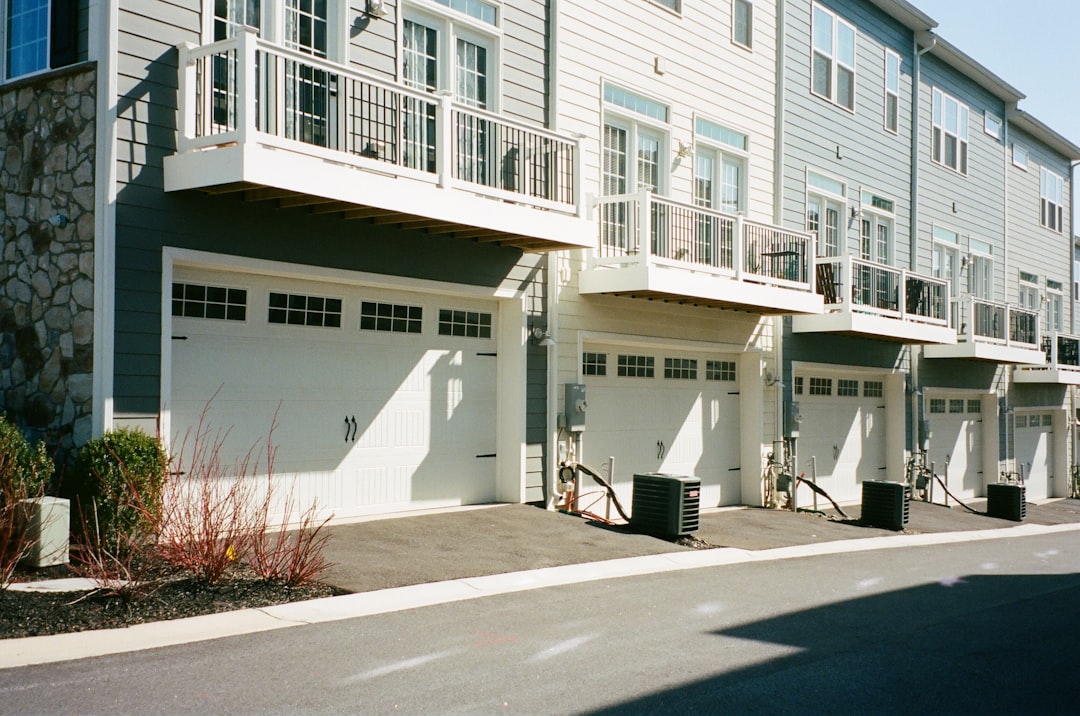
Townhouse insurance is a form of homeowners insurance that may be required by your mortgage provider or condo association to protect your personal property in the event of damage. Townhome insurance can be customized to your specific needs to make sure that your personal belongings are protected. This comprehensive guide to home insurance for townhouses will cover types of coverage, homeowners association (HOA) considerations, standard protections and coverage limits, optional insurance policy add-ons, and tips for choosing the right home insurance for townhomes.
When Homeowners Insurance Is Required for Townhouses
Townhome homeowners' insurance is required by most condo associations and most mortgage lenders.
If you live in an attached townhouse that is part of an HOA, you will likely need a policy known as HO-6 or condo insurance to provide liability coverage for your individual unit. In addition to liability insurance, this coverage usually includes your personal property coverage, loss of use coverage, and dwelling protection.
If your townhome is detached and is not part of a condo association, it will simply require traditional homeowners' insurance.
Before you sign on the dotted line, make sure you understand what your association, if applicable, requires and if you need additional coverage for anything.
What Type of Insurance Do You Need for a Townhouse?
Townhome owners today typically need one or two types of home insurance based on their ownership structure:
- HO-6 condo insurance: If you have shared walls and your townhouse is part of a homeowners association, you will need HO-6 condo insurance. This covers what your HOA master policy does not, chiefly your personal belongings.
- HO-3 home insurance: Designed for detached townhomes that are not part of a condo association, this type of homeowners' insurance serves as single-family home insurance to cover your dwelling, garage, and personal property.
In addition, both forms of insurance will protect you if you are held responsible for someone else's injuries on your property.
What Townhouse Insurance Typically Covers
What home insurance covers for townhomes includes the following:
- Your dwelling: This includes the walls, floors, roof, and any built-in systems that are part of your unit's interior.
- Personal property: Personal property coverage incorporates your belongings, such as your furniture, electronics, and clothing.
- Liability: This will protect you if someone else is injured while on your property.
- Loss of use: This insurance coverage is designed to cover any extra costs that crop up if you are unable to live in your townhome due to a covered event, such as a fire. It can pay for temporary housing or hotel bills, restaurant bills, increased mileage, boarding a pet, and other special expenses related to your relocation.
How HOA Master Policies Affect Your Insurance Needs
If you live in a townhome that has an HOA, the master insurance policy will influence your personal insurance needs.
This master policy is something purchased by the homeowners' association to cover your building's common areas, such as a lobby, landscaping, gym, or clubhouse. These policies also offer liability coverage for accidents that occur in shared spaces.
Clearly, the coverage from your HOA can reduce your individual insurance needs, but it is critical to understand what is covered and what is not to avoid potential gaps in coverage. You may also be able to find insurance discounts based on security gates or other safety features.
Optional Endorsements and Add-Ons
Depending on your unique insurance needs and plans, you can consider these optional endorsements and add-ons to your townhome insurance policy:
Flood Insurance
Since water damage is often excluded from homeowners' insurance policies, flood insurance can fill the gap, particularly if you live in an area where flooding is common. Flood insurance will typically cover the cost of repairing or rebuilding your townhome as well as personal belongings.
The National Flood Insurance Program, or NFIP, is managed by the Federal Emergency Management Agency (FEMA) to provide flood insurance to property owners, renters, and businesses, and to mitigate the effects of flooding.
Earthquake Insurance
Also excluded from most standard home insurance policies, earthquake insurance offers coverage for damage caused by earthquakes and aftershocks. This can include your dwelling, personal property, and loss of use expenses, as well as required building code upgrades. If you live in an area where earthquakes are even a semi-regular occurrence, you may want to look into this add-on.
Umbrella Insurance
As you may be able to guess, umbrella insurance provides additional financial protection for you in the form of additional liability insurance that goes beyond the limits of your existing home insurance policy. In a nutshell, it kicks in when your primary policy is maxed out following a covered claim to cover what's left, such as a medical bill or legal fees, for example. If you think your HOA has a bare-minimum policy, this can be a good supplement.
Tips for Choosing and Saving on Townhouse Insurance
Savvy shoppers can save both time and money when searching for affordable townhouse insurance. First, check your HOA rules and regulations and review requirements from your mortgage lender.
Then you can check out EverQuote to get a free custom quote, which only takes a few minutes and offers a side-by-side comparison of townhouse insurance options. You can save even more by bundling your home and auto insurance or other policies. Other options for saving money include increasing your overall deductible and enhancing townhome security.
Visit EverQuote today to get a custom comparison of townhome insurance options and start saving.