Homeowners Insurance for Mobile Homes: What It Covers & How to Find the Best Policy


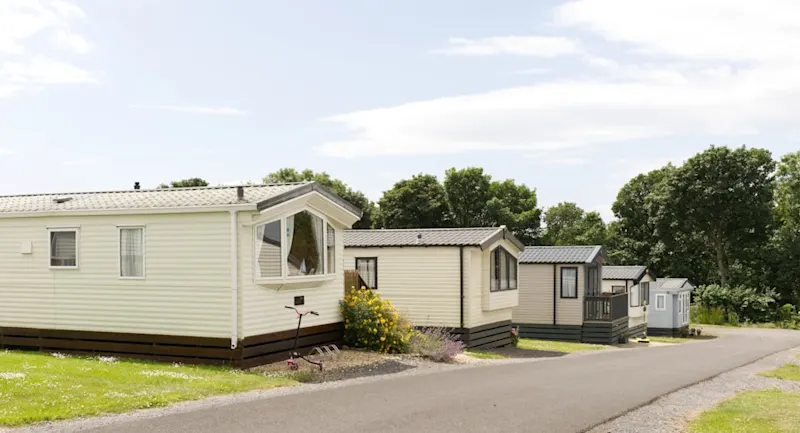
Mobile home insurance isn't much different from a standard homeowners' policy. It financially protects you from property damage and personal liability losses. However, it's uniquely designed for mobile or manufactured homes.
Understanding what homeowners' insurance for mobile homes includes is the first step to choosing a new policy. This guide covers that, plus tips on how to find affordable coverage.
What's Included in Mobile Home Insurance?
Most home insurance for mobile homes includes these standard coverages:
- Dwelling: Pays to replace or repair damaged structures of your mobile home after a covered event. Covers the roof, walls, floors, and attached exterior items, such as the deck.
- Personal property: Reimburses you for damage caused to personal items like electronics and appliances. Valuable items like jewelry may require an extra rider if they exceed coverage limits.
- Personal liability: Pays for your legal costs if someone decides to sue you for damaging their property or causing a personal injury.
- Additional living expenses (ALE): Reimburses you for hotel expenses, food, and other essentials if you can't live in your home after a covered event.
- Other structures: Covers the repair or replacement of a non-attached exterior structure, such as a fence or shed.
Mobile home insurance coverage is very similar to a standard homeowners' policy. The difference lies in how insurers underwrite the coverage. If you own a mobile home, it's important to buy insurance meant for your property. Otherwise, an insurer may deny a future claim.
What Factors Impact Mobile Home Insurance Costs?
When shopping for insurance, know what type of home you have. The terms "mobile home" and "manufactured home" are frequently used interchangeably. But insurers refer to mobile homes as any factory-built property made before June 15, 1976. This is the date when the U.S. Department of Housing and Urban Development introduced new construction standards.
Factory-made homes built after that date comply with the new building codes. Insurers refer to them as "manufactured homes."
Another term you may come across is "modular home." This type of property is delivered in multiple pieces and may contain a basement or crawl space. Standard homeowners' insurance usually covers it and won't require a special mobile home policy.
Mobile Home Insurance Policies and Risk Factors
Insurers price a mobile homeowners' insurance policy based on its risk profile. Basically, properties that are more susceptible to covered events are more expensive to insure.
One major driver of insurance cost is a manufactured home's location. If it's in an area known for severe thunderstorms, wind, and hail, the insurer considers it a higher risk. High rates of local crime can also increase your policy costs.
Older mobile homes may be more pricey to insure, especially those built before 1976. That's because homes manufactured before that time generally don't meet current construction standards. They may lack the same quality that newer manufactured housing provides.
A property's claims history can impact rates. If it has a record of prior weather-related property damage, the insurer accounts for that. Providers also consider your coverage limits and deductibles. Lower coverage limits and a high deductible make your policy more affordable, but increase your financial exposure.
Risks & Exclusions To Know Before You Buy
You may be surprised to learn that standard mobile home insurance doesn't cover every natural disaster. Some common exclusions include:
- Flooding
- Earthquakes
- Wear and tear
- In-transit damage
If you live in a hurricane or tornado-prone area, consider purchasing an add-on rider for flood insurance. These types of storms can frequently cause high water, and if you live in a low-lying area, your home could easily suffer flood damage. Earthquake riders may also be available through your insurer.
Carefully evaluate the policy's liability and coverage limitations. You may have a choice between actual cost and reimbursement cost coverage based on the home's age. Actual cost applies depreciation to your home's value, which lowers the amount you recover in a claim.
Reimbursement cost pays for a home that's similar to your existing one up to its original purchase price. Reimbursement cost coverage may be more expensive, but it offers greater financial protection.
How To Find the Best Policy & Save on Premiums
An overpriced insurance policy can be a drag on your bank account. Use these tips to keep your costs affordable.
1. Compare Quotes
Don't be afraid to haggle. Ask multiple companies to quote your mobile home based on your coverage requirements. This can give you an idea of the price disparities between different providers so you can select one that fits your budget.
2. Consider Provider Reputation
Check each insurer's financial health through a reputable tool like A.M. Best. It assigns ratings based on a company's ability to pay out claims. Also consider the provider's reviews from previous customers through independent sources such as the Better Business Bureau.
3. Inquire About Discounts
Bundling mobile homeowner's coverage with an auto insurance policy can reduce your monthly premiums. Ask about other savings, too — some providers offer special discounts for military veterans, servicemembers, and first responders.
4. Improve Home Safety
Devices or security equipment that guard against property damage and vandalism may reduce your premiums. Some to consider include storm windows, home security systems, and automated water shutoff mechanisms.
Not sure where to start? Check out our guide on how to buy homeowners' insurance. It explains what homeowners' insurance covers and contains more money-saving tips.
Get Customized Mobile Home Insurance Quotes Today
With EverQuote, you can compare homeowners' insurance from multiple providers in one place. It's completely free and customized to your coverage needs. Find your next mobile home insurance policy with us today!