


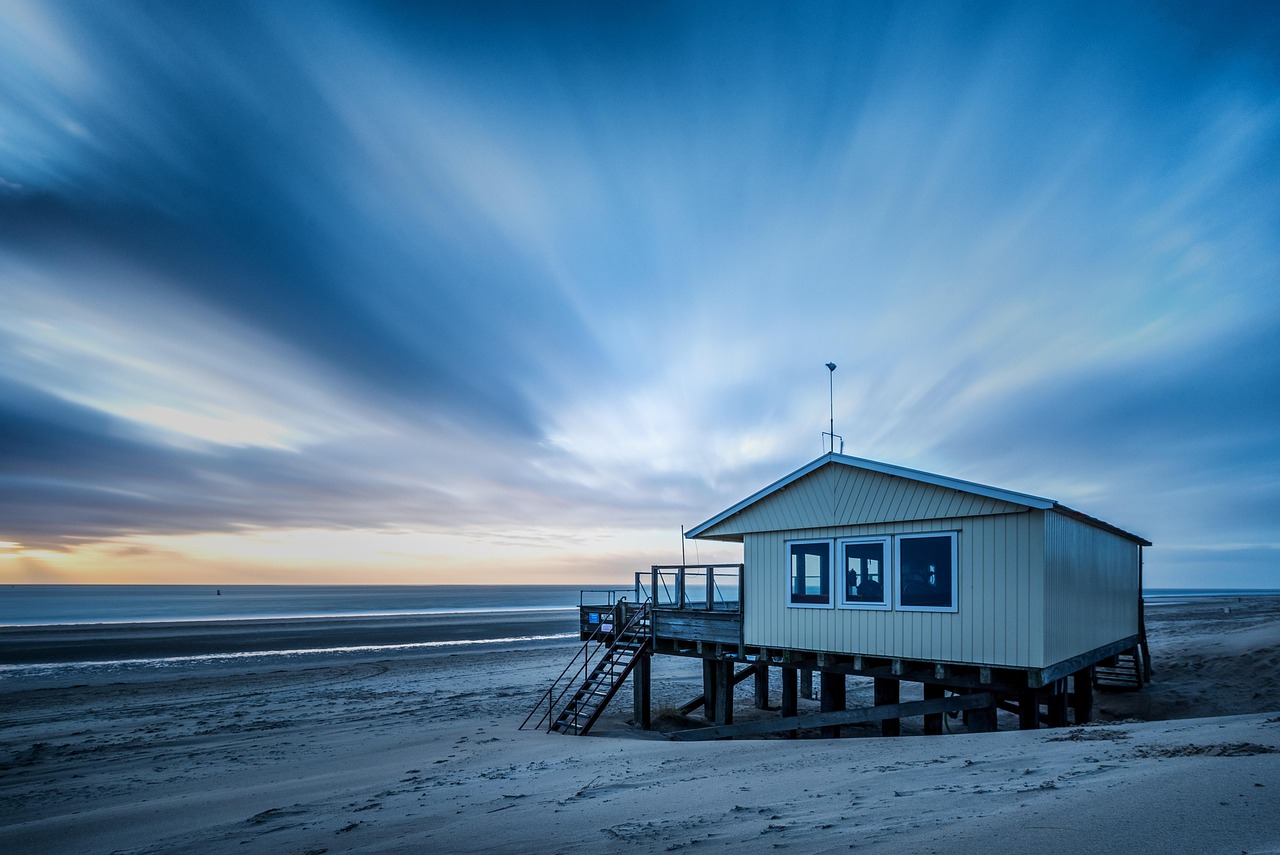
Second home insurance for a vacation home or other property can protect your dwelling, personal property, and any injuries that take place in seasonal homes. Home insurance for a second home does have some key differences from your primary home insurance due to vacancy risk and potential remote location or seasonal weather.
If you are planning to insure a cabin, beach home, or investment property, this comprehensive guide will explain how to compare quotes, coverage options and coverage limits, the potential for bundling, liability claims, and more for your secondary home.
What Second Home Insurance Typically Covers
What homeowners insurance covers is different for your second home. A separate policy from your standard home insurance, second home insurance coverage typically includes:
- Dwelling coverage: This includes structural repair or replacement costs for your second home.
- Liability protection: Personal liability coverage will protect you if anyone is injured while on your property.
- Personal property coverage: This coverage includes your personal property, such as furniture, clothes, and electronics inside the home.
Your standard homeowners insurance likely excludes second properties, which is why second house insurance is so important.
Key Differences Between Primary and Second Home Policies
While both of your places might feel like home to you, insurance companies look at your primary residence and second home differently.
For starters, insurers view second homes as higher risk because they tend to be vacant for longer periods of time, which increases the risk of theft, vandalism, and damage. Second homes are also often exposed to extreme weather, particularly if your vacation place is located on a beach, in a ski area, or near water. This may require flood insurance, for example.
What does this mean for you as a property owner? You will likely face a higher homeowners insurance cost for your second home, not to mention a higher deductible and coverage limits.
Finally, your second home insurance policy might include exclusions for events such as flooding, earthquakes, lack of maintenance, damage from a pest infestation, and damage from renters. This is why you will most likely need separate homeowners policies for each home.
Types of Homes That Usually Require Second Home Insurance
The types of homes that usually call for an additional home insurance policy include:
- Seasonal cabins: If your cabin is located near a body of water that presents a flooding risk or sits vacant half of the year, you will likely face more expensive vacation home insurance or unoccupied home insurance.
- Vacation beach houses: Likewise, if your vacation home sits on a beach, that can present a danger of flooding. If the home is only used sparingly, you will see higher insurance premiums due to the dangers of prolonged vacancies.
- Rental properties or Airbnbs: A rental property that you list on sites such as Airbnb or VRBO will entail a special type of insurance known as landlord insurance. This can protect against damage from renters and injuries that take place on site.
- Investment properties: If you buy a property as an investment but do not live there, you will need landlord insurance to protect your property and its associated liabilities when it's rented to others.
Factors That Affect the Cost of Second Home Insurance
Naturally, there are variations among second home insurance options. Insurance rates can vary based on:
- Vacancy duration: Is your second home vacant most of the time or rarely? The longer it is unused, the more your insurance will likely cost.
- Remote location or limited access: If your second home is sequestered away in a remote location with limited access, that can boost the price of your second home insurance, as it would be hard to reach in the wake of an accident.
- Risk of flooding, fire, and storms: Natural disasters are expensive to manage and mitigate. If your second home is located in an area that sees an increased risk of flooding, fire, or storms, you will pay the price in terms of higher insurance premiums.
- Value and age of property: Same as these factors influence the cost of insurance for your primary residence, a more valuable home or an older one that requires more maintenance will raise insurance prices.
To reduce insurance costs, you can bundle multiple insurance products, such as home and auto, under one insurer and add safety features such as alarms and sprinklers.
How To Compare Policies and Save on Coverage
When you compare policy options, you can find the best value for your current and future home insurance needs.
If possible, bundle your primary home insurance with your secondary policy, and try to work with an agent or company familiar with vacation and rental homes and policies. Finally, make sure you shop for insurance at least annually to assess changes in your risk profile and look for new potential discounts.
Get Customized Insurance Quotes for Your Second Home Today
You can often reduce monthly insurance premiums when you take the time to research and compare policy options. EverQuote offers a free custom quote that can help you find the best option in second home insurance.
Visit EverQuote today to begin the search for the best options for insuring your second home.