Your Guide to Car Insurance in Jacksonville: Coverage and Savings Tips


Why You Can Trust EverQuote
EverQuote powers millions of shopper requests every month, teaming up with industry-leading insurance specialists to address real-world challenges faced by people every day. We partner with the largest insurance providers in the nation, and our content is carefully crafted by experts and reviewed by licensed insurance agents for accuracy and relevance.
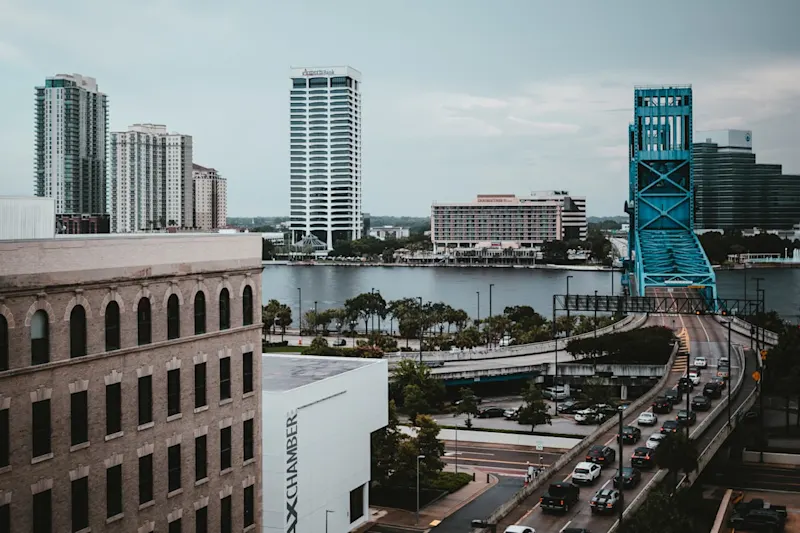
High prices across the board are hitting people hard, and car insurance rates are no exception, especially in cities like Jacksonville, Florida.
If you’re a Jacksonville driver, you need to balance the desire for affordable car insurance with the minimum state requirements and the local risks to your vehicle. Luckily, there are tips and tricks that can help. Explore local risks, your options for car insurance in Jacksonville, and ways to save money when you shop for policies.
Factors That Affect Car Insurance Rates in Jacksonville
When insurance providers are calculating the rates they charge drivers, they incorporate as many factors that impact a driver’s likelihood of making a claim as possible. These include personal details, like the driver’s age, gender, and driving history. Insurers also consider your vehicle's make and model. If your vehicle is more expensive or more prone to theft, your insurance rates will likely be higher, as insurers view those factors as higher risk.
Then there are local conditions that impact Jacksonville auto insurance rates, such as:
- Traffic patterns: The city is known for having heavy traffic, which increases the likelihood of car accidents. Insurance providers charge more for auto insurance in Jacksonville accordingly.
- Accident hot spots: If you live in a Jacksonville ZIP code with more accident hot spots, you can generally expect higher insurance premiums.
- Population density: Typically, when more people live close together, car crashes are more likely. Drivers in parts of Jacksonville with higher population densities may face higher car insurance rates as well.
- Flood risk: As a coastal city, Jacksonville faces the potential for flooding that could damage vehicles and increase the risk of hazardous driving conditions. Florida car insurance companies factor in these risks, possibly leading to more expensive auto insurance in the city.
- Hurricane exposure: Similarly, the risk of cars getting damaged in hurricanes in Jacksonville may drive up insurance rates.
Required Coverage and Policy Options
Like most other states, Florida requires drivers to purchase some liability car insurance. The Florida car insurance requirements lay out these minimum coverage amounts:
- $10,000 in personal injury protection (PIP)
- $10,000 in property damage liability (PDL)
Florida is a no-fault liability state, which means your own insurance covers your accident expenses, no matter whose fault the accident is. However, if one party’s injuries or property damage expenses extend beyond the $10,000 coverage limits, they can sue the at-fault party in the accident.
You don’t have to stick to these minimum liability requirements, though. For additional financial protection, consider purchasing other Florida car insurance.
Collision Coverage
Collision coverage helps pay for the damage to your vehicle in a crash that someone else causes. For example, if someone runs a red light and hits your car, causing $5,000 of damage, your collision insurance would pay for those repairs up to your policy limits.
Comprehensive Coverage
Comprehensive car insurance helps you pay to repair or replace your vehicle after it’s damaged in an incident other than a car crash. These policies may cover theft, vandalism, hail, falling objects, and wind damage.
Comprehensive insurance is not required by law, but it can grant peace of mind that you won’t have to handle these costs out-of-pocket if a covered event occurs. As your car decreases in value, you may want to drop your comprehensive coverage.
Optional Add-Ons
You can also add on additional insurance, such as uninsured motorist coverage and gap coverage, for even more financial security.
Drivers in higher-risk areas of Jacksonville, such as those with high theft rates or ZIP codes prone to storm damage, may require enhanced insurance coverage. Enhanced coverage is generally more expensive since the insurance provider is taking on more risk. There may also be more restrictions on optional coverage.
Special Considerations for Coastal Residents
Jacksonville is on the Atlantic coast of Florida, which means drivers in the area face unique risks to their vehicles. Hurricanes and tropical storms create the potential for flood, wind, or storm damage to Jacksonville cars.
When you’re deciding what types of insurance coverage to buy and how much, you need to consider these risks. Keep in mind that many standard comprehensive policies do not cover flood damage. If you’re concerned about storms damaging your vehicle, it may be worthwhile to purchase additional insurance endorsements, such as flood coverage.
Discounts and Ways To Save on Car Insurance
With the prices of Florida car insurance so high, any savings are helpful. Try these tips:
- Look for discounts you’re eligible for, like safe-driver discounts or good student discounts.
- Bundle multiple insurance policies, such as your auto and homeowner’s policies.
- Compare quotes from multiple insurance providers to find the best value on the coverage you want.
Compare Car Insurance Quotes in Jacksonville
Manually requesting car insurance quotes from lots of insurance providers is a tedious, time-consuming task. Fortunately, there's an easier way.
With EverQuote, you just have to answer some quick questions to see a comprehensive comparison of your personalized car insurance options. It only takes a few minutes. Compare your customized Florida car insurance quotes today.
FAQs
What is the average cost of car insurance in Jacksonville, Florida?
+
Who normally has the cheapest car insurance in Florida?
+
Premiums are sourced from over 30,000 zip codes across 200 insurance companies. We estimate premiums based on public filings for policies seeking 50/100 in liability with $500 deductibles for collision and comprehensive coverage. Estimated rates are based on a 35-year-old single female with a good credit score and no history of accidents or violations driving a 2023 Toyota RAV4 LE. We partner with Quadrant Information Services to source our data and assume no unique benefits or discounts are applied for these rates (unless otherwise stated). Your own rates may be different.